OnlyFans PPV Pricing Guide: Offers, Timing and Conversion
Build an OnlyFans PPV pricing strategy using content depth, fan segments, timing, follow up and conversion measurement.
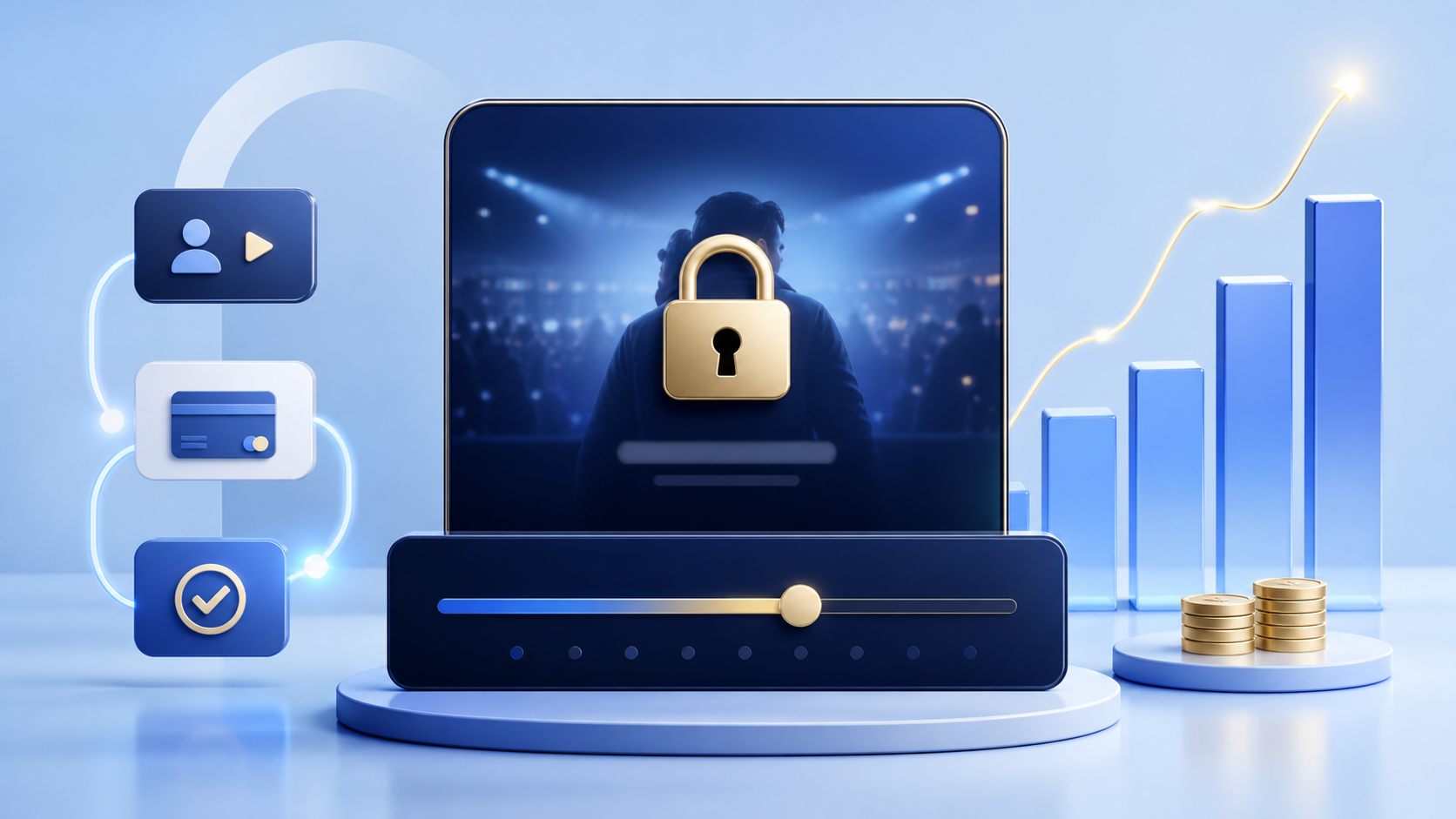
PPV revenue grows when the right offer reaches the right fan at the right moment. Sending the same locked message to everyone may create short term sales, but it also creates fatigue.
A durable PPV system combines offer design, segmentation, timing and respectful follow up.
Key Takeaways
- Price content by depth and relevance.
- Segment fans before sending.
- Use context instead of constant urgency.
- Set follow up limits.
- Track revenue and fatigue together.
Build a Clear Offer Ladder
Create a small set of recognizable offer types, from accessible collections to premium limited releases and custom work within boundaries.
The ladder should complement the subscription offer rather than making the base page feel incomplete.
Price by Value and Production
Consider content depth, production effort, scarcity, personalization and proven fan demand. Use price ranges for each offer type so the team stays consistent.
Do not raise price only because a fan has spent before. VIP treatment should include relevance and service, not arbitrary extraction.
Segment the Audience
Separate new subscribers, active buyers, VIP fans, inactive fans and recent decliners. Adjust message frequency and offer type for each group.
A fan who just purchased should not immediately receive another unrelated promotion. Purchase history should shape the next action.
Choose Timing From Behavior
Use recent conversation, content engagement, purchase history and local time as signals. Fixed schedules can support operations, but behavior should determine priority.
The welcome message workflow provides the first intent signal for new subscribers.
Measure Commercial Quality
Track open, purchase, revenue per recipient, decline, complaint, renewal and response behavior. Compare exposed and non exposed groups when possible.
Stop sequences that create repeated declines or negative replies. Protecting long term fan value is part of PPV optimization.
Practical Implementation Plan
Start by documenting the current workflow, the audience segment involved and the result the team wants to improve. Use one clear baseline before changing the process so the next review can separate real progress from normal variation.
- Step 1: Price content by depth and relevance. Assign an owner, a review date and one observable success signal.
- Step 2: Segment fans before sending. Assign an owner, a review date and one observable success signal.
- Step 3: Use context instead of constant urgency. Assign an owner, a review date and one observable success signal.
- Step 4: Set follow up limits. Assign an owner, a review date and one observable success signal.
- Step 5: Track revenue and fatigue together. Assign an owner, a review date and one observable success signal.
Run the first version on a limited scope. Review both commercial results and fan experience, then keep the decisions that improve quality without creating unnecessary workload. Document every meaningful change so the agency can repeat what works across creators.
Common Mistakes to Avoid
- Copying another creator or agency without comparing audience, offer and operating capacity.
- Changing pricing, messaging, timing and content at the same moment, which makes the result impossible to explain.
- Treating every fan as if intent, history and value were identical.
- Scaling a workflow before the team has reviewed quality, boundaries and handoff rules.
- Tracking immediate revenue while ignoring renewal, complaints, fatigue and staff workload.
A reliable system stays simple enough to operate every day. Complexity should be added only when it solves a measured problem or creates a clear advantage for the fan experience.
How Substy Supports This Workflow
Substy combines fan segments, conversation memory, VIP routing and AI assisted messaging. Agencies can control offer frequency and hand important conversations to a human before value is lost.
FAQ
The Bottom Line
PPV performance depends on relevance more than volume. A clear offer ladder, fan context and controlled follow up can increase revenue while protecting retention.

Use purchase history, activity and conversation context. The same offer should not reach every fan with the same frequency.
Pair PPV revenue with renewal, complaints and fan responses. A sale that damages trust is not a complete win.