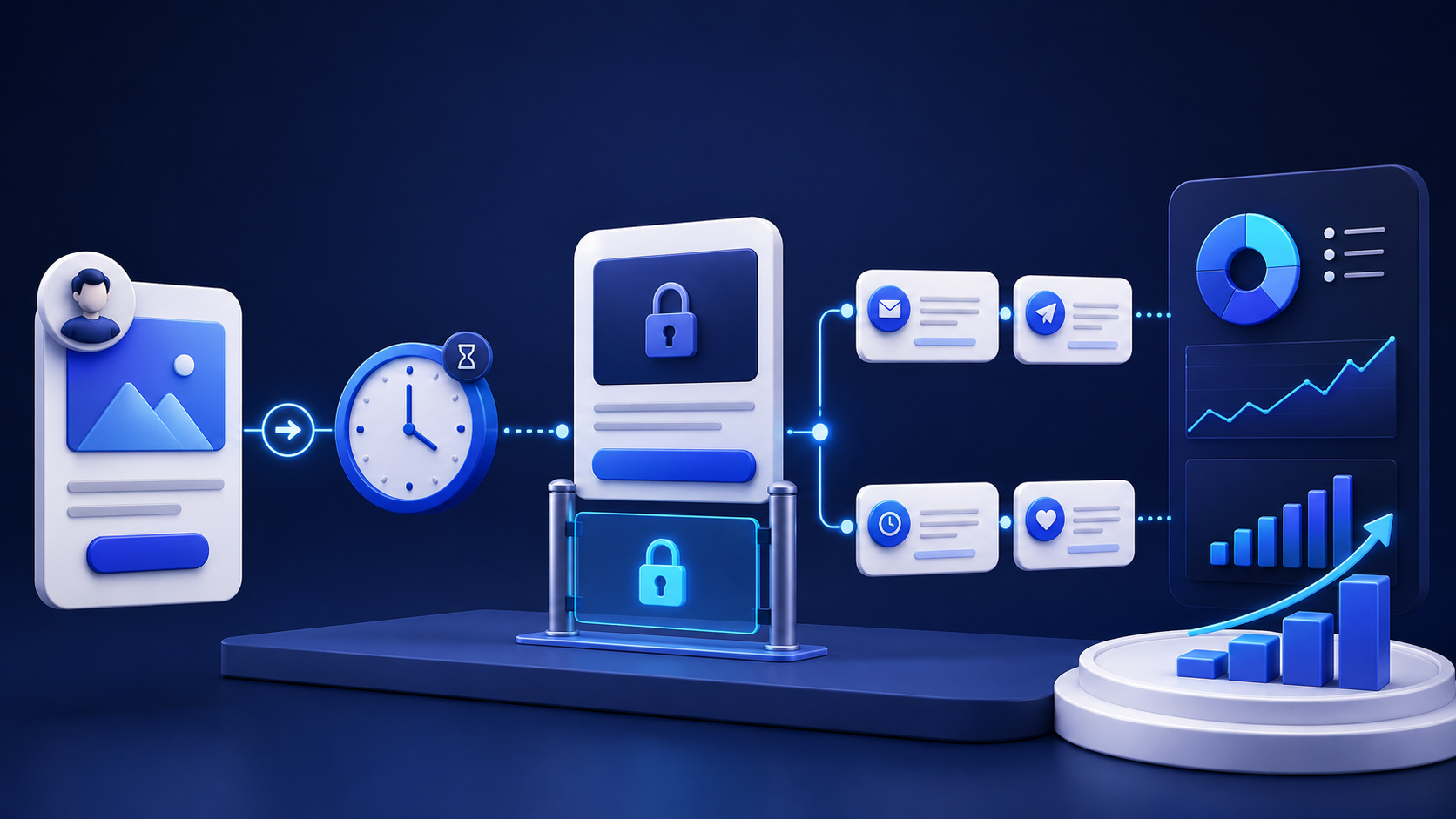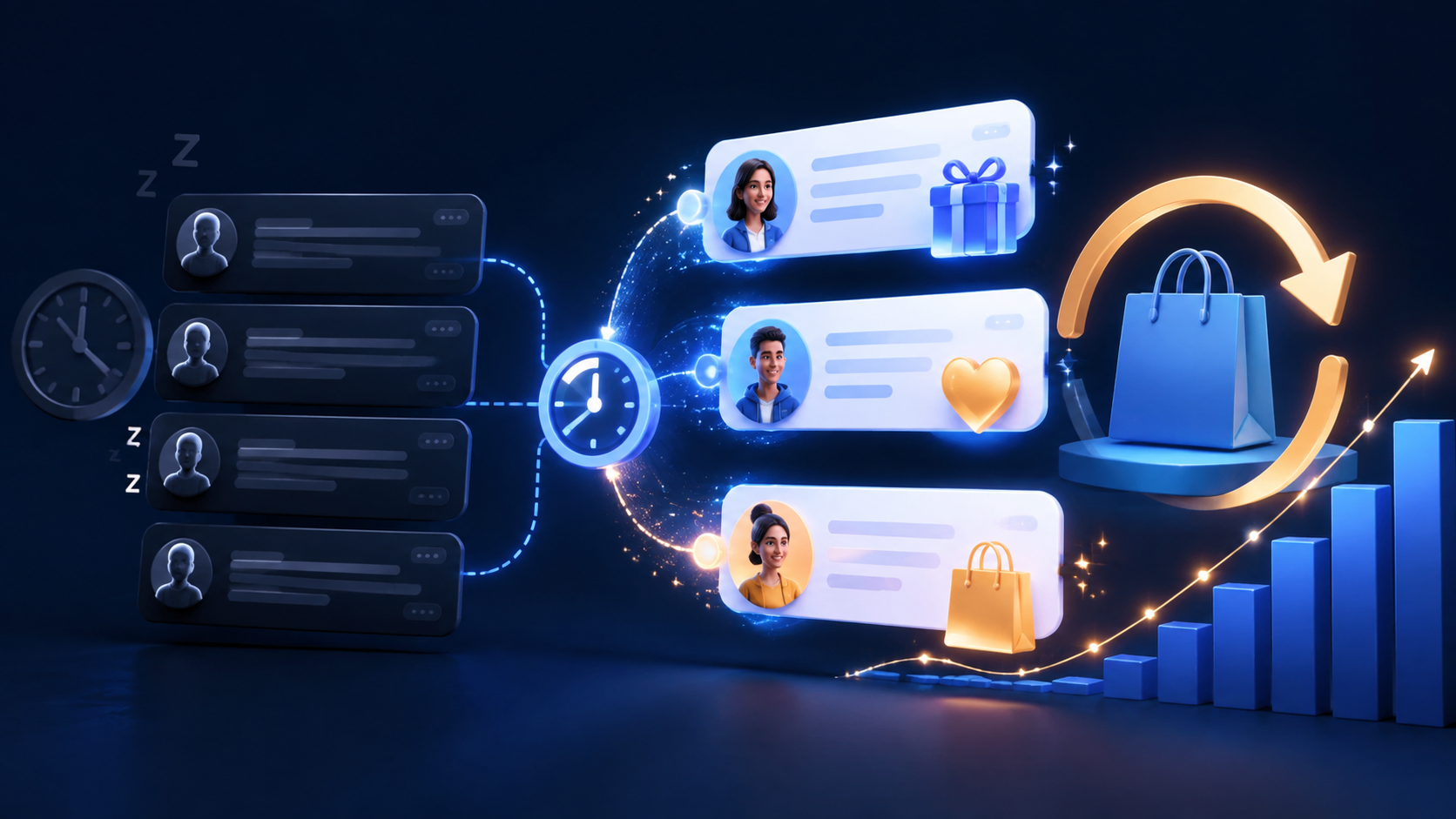
Best Times to Post on OnlyFans: A Data Driven Method
Find the best posting times for an OnlyFans audience using fan location, activity, content type and controlled testing.
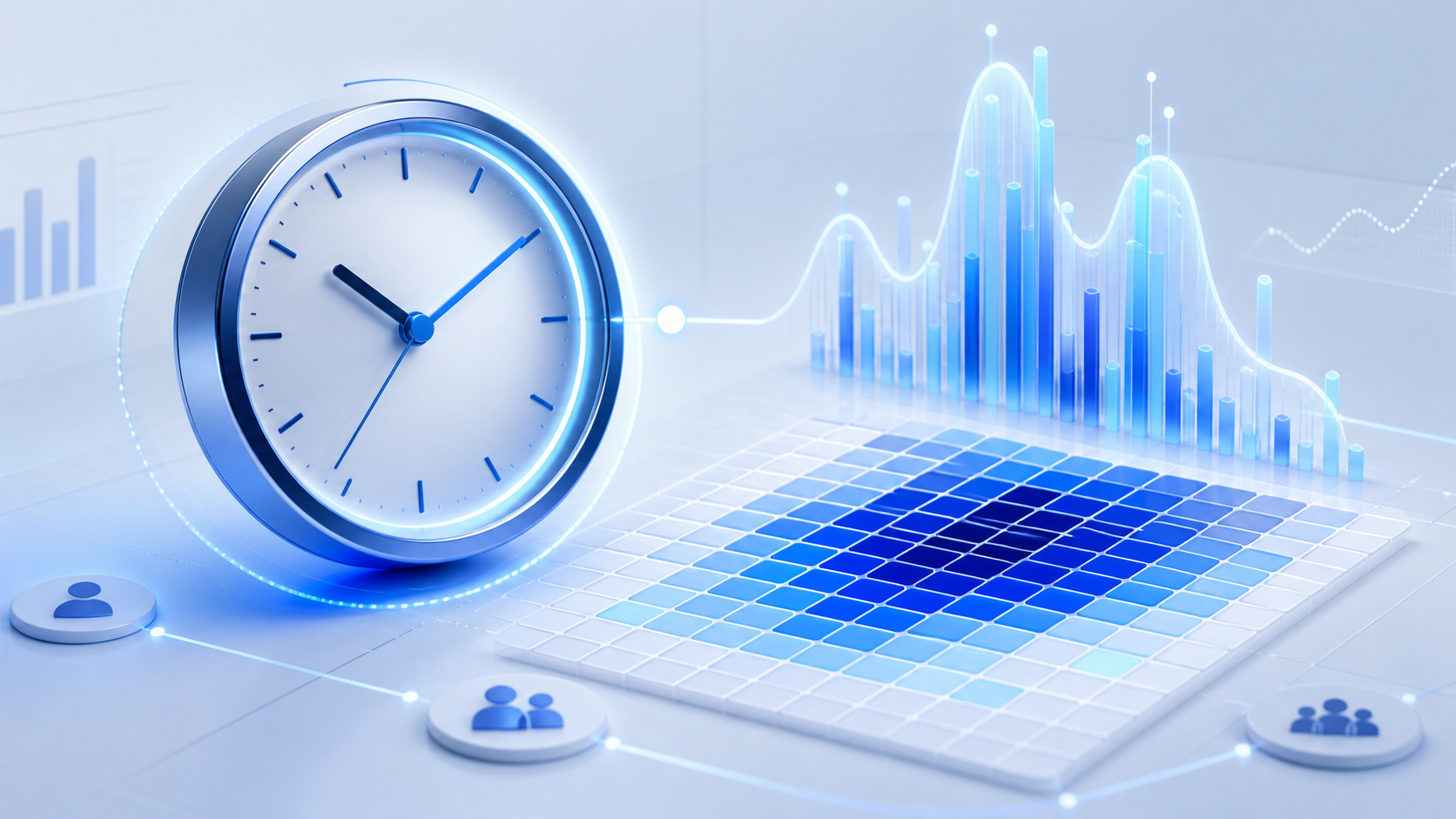
There is no universal posting hour that works for every creator. The best time depends on audience location, daily routine, content type and the action the post should produce.
A simple testing method creates a schedule based on the actual audience instead of generic advice.
Key Takeaways
- Start with audience time zones.
- Separate posts, messages and premium drops.
- Test consistent time windows.
- Measure response quality.
- Update the schedule as the audience changes.
Map the Audience Clock
Group active subscribers by major time zone and identify overlapping waking hours. Prioritize the regions that contribute the most active revenue, not only the most accounts.
A creator with an international audience may need two smaller windows instead of one global send.
Match Timing to the Content Goal
Feed posts can support routine and retention. Conversation prompts need time for replies. Premium drops work best when the team can answer questions and follow up.
Coordinate timing with the 30 day content calendar so production and fan support remain aligned.
Run a Four Window Test
Choose morning, midday, evening and late evening windows in the main audience time zone. Rotate comparable formats across those windows for several weeks.
Do not compare a major premium release with a casual update. Keep the content objective similar so timing remains the main variable.
Measure More Than Immediate Likes
Track views, replies, premium purchases, conversation starts and activity over the following day. Some posts create delayed value.
Use the OnlyFans KPI guide to connect timing with commercial outcomes.
Create an Operating Schedule
Once strong windows appear, assign recurring formats to them and keep one experimental slot each week. Document the time zone clearly for the team.
Review the schedule monthly or after a meaningful change in audience source, geography or creator routine.
Practical Implementation Plan
Start by documenting the current workflow, the audience segment involved and the result the team wants to improve. Use one clear baseline before changing the process so the next review can separate real progress from normal variation.
- Step 1: Start with audience time zones. Assign an owner, a review date and one observable success signal.
- Step 2: Separate posts, messages and premium drops. Assign an owner, a review date and one observable success signal.
- Step 3: Test consistent time windows. Assign an owner, a review date and one observable success signal.
- Step 4: Measure response quality. Assign an owner, a review date and one observable success signal.
- Step 5: Update the schedule as the audience changes. Assign an owner, a review date and one observable success signal.
Run the first version on a limited scope. Review both commercial results and fan experience, then keep the decisions that improve quality without creating unnecessary workload. Document every meaningful change so the agency can repeat what works across creators.
Common Mistakes to Avoid
- Copying another creator or agency without comparing audience, offer and operating capacity.
- Changing pricing, messaging, timing and content at the same moment, which makes the result impossible to explain.
- Treating every fan as if intent, history and value were identical.
- Scaling a workflow before the team has reviewed quality, boundaries and handoff rules.
- Tracking immediate revenue while ignoring renewal, complaints, fatigue and staff workload.
A reliable system stays simple enough to operate every day. Complexity should be added only when it solves a measured problem or creates a clear advantage for the fan experience.
How Substy Supports This Workflow
Substy helps agencies manage conversations, fan segments, scheduled commercial workflows and team handoffs from one workspace. Timing decisions can reflect real fan behavior and available staff coverage.
FAQ
The Bottom Line
The best posting time is discovered through audience data and controlled comparison. Build a repeatable schedule, preserve an experimental slot and adjust as the audience evolves.

Use similar formats across different windows. Otherwise content quality can hide the real effect of timing.
Schedule important drops when the team can continue the conversation and support purchase decisions.