OnlyFans Subscriber Retention in 2026 - How Agencies Keep Fans Spending
The complete guide to OnlyFans subscriber retention for agencies in 2026 - why fans leave, the retention framework that works, re-engagement sequences that convert, and the metrics that matter.
Acquisition gets all the attention. Agencies obsess over Reddit traffic, TikTok funnels, and subscriber counts. But the agencies generating the most revenue per account aren't necessarily the ones signing the most new fans — they're the ones keeping the fans they already have.
The economics of retention are straightforward. Acquiring a new subscriber costs real effort and often real money through traffic campaigns and promotion. A subscriber who stays for six months generates four to five times the revenue of one who stays for six weeks, at zero additional acquisition cost. Every unsubscribe that could have been prevented is a sunk cost that never gets recovered.
This guide covers the specific strategies and systems top agencies use to maximize subscriber retention and lifetime value from their existing fan base.
Why Subscribers Leave - The Real Reasons
Most agencies attribute churn to content quality or posting frequency. Both matter, but they're rarely the primary drivers of unsubscribes. The most common real reasons fans leave are more operational than creative.
Slow or inconsistent response times kill engagement faster than anything. A fan who messaged a creator and waited three hours for a reply has already lost the moment. Fans who feel ignored don't unsubscribe dramatically — they quietly disengage, stop opening messages, and eventually cancel without any complaint at all. By the time their unsubscribe shows up in the analytics, the relationship was already dead for weeks.
Generic conversations destroy the sense of personal connection that makes OnlyFans subscriptions worth paying for. A fan who receives the same mass PPV pitch they can tell went to everyone is not a fan who feels valued. They're a transaction in an inbox. Fans who feel like a number rather than a person churn at dramatically higher rates than those who receive conversations calibrated to their specific preferences and history.
Poor follow-through on past interactions is underrated as a churn driver. A fan who mentioned their birthday three weeks ago and received no acknowledgment on the day notices. A fan who was promised a custom video and never got a follow-up notices. These small failures of continuity communicate that the person behind the account doesn't actually remember them — because often, they don't, and the systems aren't in place to compensate for that.
Price sensitivity is real but usually overstated. Fans who churn over price are almost always fans who weren't getting enough perceived value from their subscription to justify the cost. The actual fix isn't lower prices — it's better fan management that makes the subscription feel worth every dollar.
The Retention Framework That Works
Professional agencies that maintain high retention rates are operating with a systematic framework, not just good instincts. The framework has four components.
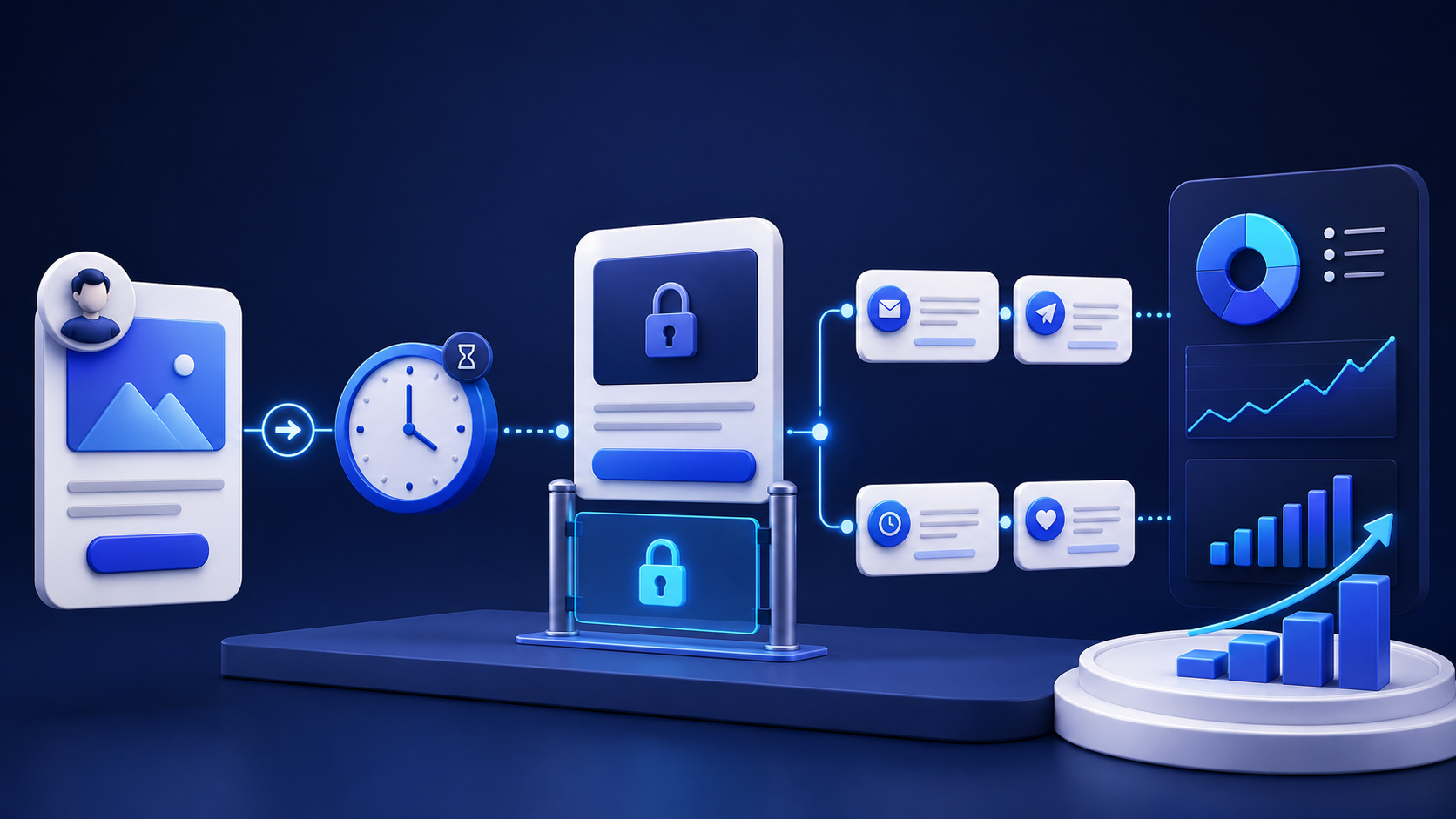
Immediate engagement after subscription sets the retention trajectory. The first 72 hours after a fan subscribes are the highest-leverage period for building a relationship that lasts. A personalized welcome that references how the fan found the creator, an early PPV offer at an entry price point designed to create the first purchase habit, and a follow-up within 48 hours if they haven't engaged — these three actions, run automatically through a well-configured AI chatbot, convert browsers into buyers and buyers into long-term subscribers. The OnlyFans automation guide covers how to set up these sequences properly.
Continuous fan data tracking makes personalization at scale possible. Every message a fan sends, every piece of content they engage with, every PPV they open or ignore — this behavioral data tells you exactly what each fan wants, when they're most active, and what their spending patterns look like. Without a proper OnlyFans CRM capturing and organizing this data, personalization is impossible beyond the smallest account sizes. With it, every conversation the AI or a chatter has with a fan is informed by their complete history on the account.
Proactive re-engagement before churn happens is where agencies with good data systems dramatically outperform those without. Fans who are about to churn show behavioral signals before they cancel: declining message open rates, shorter replies, reduced content engagement, longer gaps between sessions. An agency tracking these signals can identify at-risk fans two to three weeks before they would otherwise unsubscribe and trigger targeted retention sequences while the relationship is still salvageable. Waiting until someone cancels to think about retention is already too late.
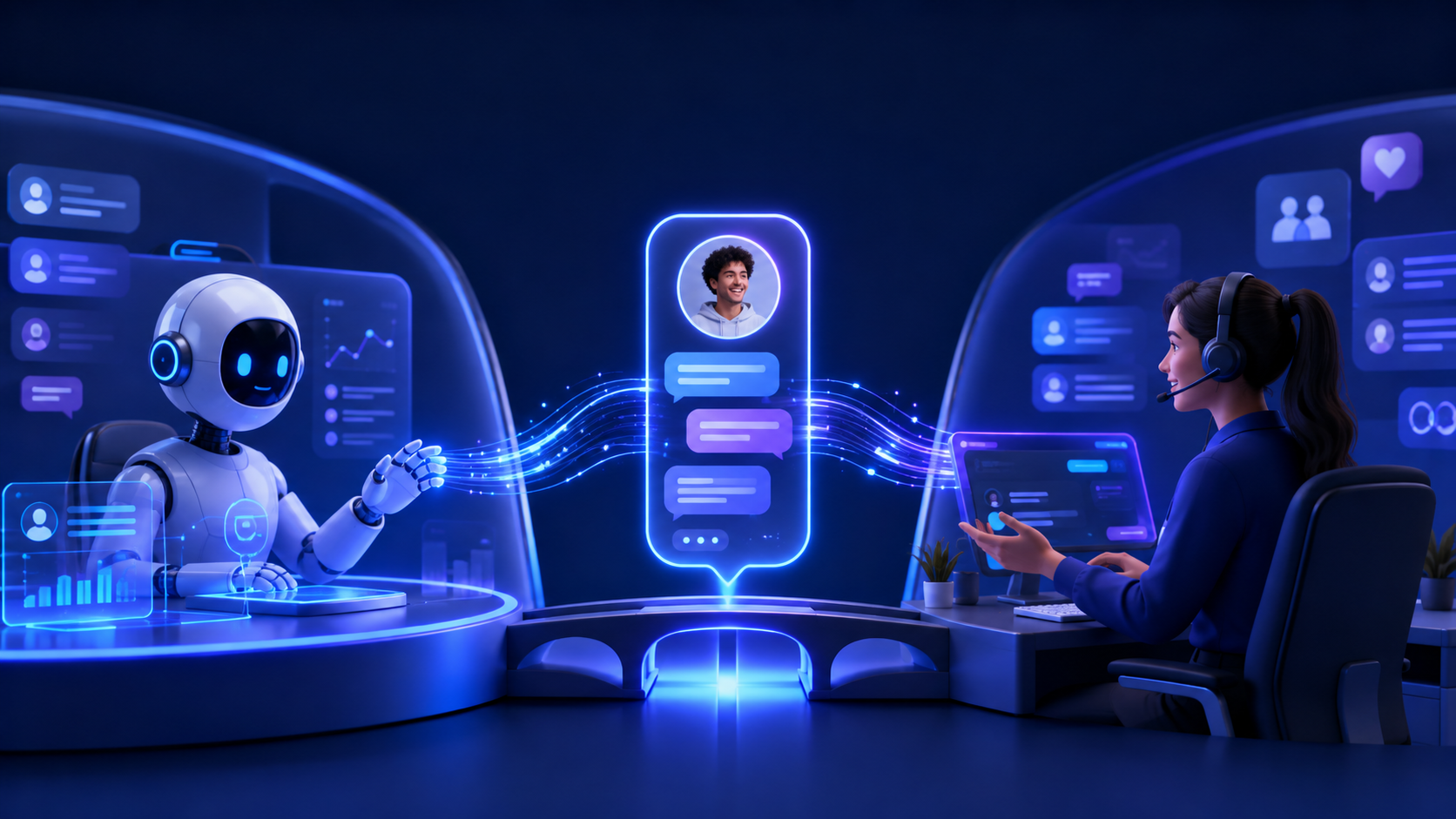
VIP relationship investment is the highest-ROI element of any retention strategy. The top 10% to 20% of spenders on any account generate the majority of revenue, and losing a single high-value VIP fan has more financial impact than losing ten average subscribers. These fans need human attention — not just AI management. Having a dedicated human chatter building genuine long-term relationships with VIP fans is the single most effective retention investment an agency can make, which is why the hybrid AI model reserves human attention specifically for this function.
Re-Engagement Sequences That Actually Convert
Most agencies send re-engagement messages that are too generic and too late. The typical approach — a mass message to everyone who hasn't been active in 30 days — catches fans who have already mentally cancelled and produces weak results.
The sequences that work are segment-specific, triggered early, and calibrated to each fan's history.
For Newbies who subscribed but never purchased, the re-engagement window is the first 10 to 14 days. Beyond that, the probability of ever converting them drops significantly. The sequence should be two to three messages spaced 48 hours apart, each escalating slightly in offer — first a standard entry-price PPV, then a slightly reduced offer framed as exclusive, then a final message that creates urgency without being pushy. If they haven't converted after three messages, the AI classifies them as a lower priority and reduces contact frequency.
For Spenders who have gone quiet, the approach is completely different. These fans have already demonstrated willingness to spend, so the issue is almost certainly engagement and connection rather than price sensitivity. Re-engagement messages should reference something specific from their history — a previous conversation, a piece of content they engaged with, a preference they've mentioned. The message that brings back a fan who spent $80 last month needs to feel like it was written specifically for them, because with proper fan data tracking it can be. This is covered in detail in the fan management guide.
For VIP fans who go quiet, the re-engagement should always involve a human chatter rather than automated sequences. A fan who has spent $300 or more and goes silent represents a significant revenue risk. A genuine, personal message from a human who remembers the relationship is far more effective than any automated sequence — and far more appropriate for the value of the relationship being protected.
Subscription Renewal Strategy
The subscription renewal moment is one of the highest-churn-risk points in the subscriber lifecycle, and most agencies handle it passively — they simply let the renewal happen or not, without any proactive effort.
The agencies with the highest renewal rates are running pre-renewal campaigns. In the three to five days before a subscription renews, fans at risk of cancelling receive specific engagement designed to remind them why they subscribed and create desire for what's coming next. A teaser of upcoming content, a personal message about a PPV campaign launching the following week, or an exclusive offer timed to the renewal date — any of these, executed well, meaningfully reduce cancellation rates at the renewal moment.
The timing matters as much as the content. A message sent three days before renewal lands when the fan might be evaluating their subscriptions. A message sent five minutes before renewal is too late. Most fans make the mental decision to cancel days before they actually act on it, which is why early intervention outperforms last-minute recovery every time.
Account Management Practices That Build Long-Term Value
Beyond specific campaigns and sequences, the agencies with the best retention rates are simply managing their accounts with more consistency and more attention to detail than those with high churn.
They track every fan individually rather than managing subscribers as a collective. They know which fans are most at risk, which are most loyal, and which are approaching a spend level that should trigger a VIP upgrade. The fan management framework that makes this possible at scale requires a proper CRM, but the effort of setting it up pays back immediately in retention rates.
They respond to every message within minutes during active hours and have AI handling instant responses around the clock. Response time is one of the most consistent predictors of fan satisfaction and retention. Fans who feel they're getting real-time attention from someone who cares don't look for reasons to leave.
They maintain creator voice consistency across every chatter and every AI interaction. A fan who notices a sudden shift in tone or vocabulary — because a new chatter came on shift, or the AI configuration was changed, or a different team member handled their VIP account for a week — loses trust in the authenticity of the relationship. Voice guides per creator, applied consistently across the entire operation, prevent this from happening.
They invest in the VIP layer disproportionately. A fan who has spent $500 over six months deserves proportionally more attention than a fan who has spent $50. The allocation of human chatter time against fan spending is what separates professional agencies from those running everyone through the same inbox experience regardless of value.
The OnlyFans chatting software agencies choose makes a direct difference to all of these practices. The right platform makes fan tracking, voice consistency, response time, and VIP management operationally simple. The wrong one — or none at all — makes them aspirational rather than achievable.
Retention Metrics Every Agency Should Track
Without tracking the right numbers, retention management is guesswork. These are the metrics that matter.
30-day retention rate is the most immediate signal of how well the first-impression and early engagement sequences are working. A 30-day rate below 60% almost always indicates problems with the early engagement period — the first 72 hours are not doing enough to create a purchasing habit before the first renewal.
90-day retention rate reflects the quality of ongoing fan management. Fans who stay 90 days have usually made multiple purchases and built a genuine relationship with the creator. A 90-day rate below 40% suggests the ongoing engagement — re-engagement sequences, PPV strategy, VIP management — needs improvement.
Revenue per subscriber per month tells you how effectively you're monetizing the audience you're retaining. Two agencies with identical subscriber counts and identical 90-day retention rates can have dramatically different revenue profiles if one is converting fans to higher spending tiers and the other isn't.
Churn rate by acquisition source is the metric that improves traffic investment decisions. If Reddit subscribers churn at 40% in the first 30 days and Telegram subscribers churn at 15%, that difference should completely change how you allocate traffic budget. Most agencies never connect acquisition data to retention data because they lack the tracking link infrastructure to do it — which is one of the most expensive blind spots an agency can have.
FAQ - OnlyFans Subscriber Retention
What is a good subscriber retention rate on OnlyFans ?
A 30-day retention rate above 65% is strong. Above 75% indicates excellent early engagement. 90-day retention above 45% means your ongoing fan management is working. Agencies hitting these numbers are generating significantly more revenue from the same subscriber counts as those with average retention.
How do you reduce OnlyFans subscriber churn ?
The most impactful changes are faster response times, more personalized conversations, proactive re-engagement before fans go fully silent, and dedicated human attention for VIP fans. Each of these requires either better tooling, better team management, or both.
How do you re-engage a fan who has gone quiet ?
Segment by fan history before sending anything. A fan who has never purchased needs a different approach than a fan who spent $100 and went silent. Reference specific details from their history where possible, offer something that creates real value rather than a generic "we miss you" message, and time the re-engagement before the inactivity becomes terminal — 7 to 10 days of silence is the trigger point for most agencies, not 30.
Should AI handle re-engagement or a human chatter ?
AI handles re-engagement for all fans below the VIP spending threshold effectively, especially for Newbies and inactive Spenders. VIP fans who go quiet should always receive human-initiated re-engagement — the relationship is too valuable to trust to an automated sequence, and fans at that spending level can often tell the difference.
What is fan lifetime value on OnlyFans and why does it matter ?
Fan LTV is the total revenue a subscriber generates over their entire time on the platform. It's the metric that connects acquisition strategy to retention strategy — a fan with a $50 first month but a 12-month LTV of $600 is worth significantly more than a fan who spends $80 in month one and churns by month two. Tracking LTV by acquisition source is the data that makes traffic investment rational.
How do you manage subscriber retention across multiple accounts ?
A unified CRM that tracks fan data across all accounts, applies consistent re-engagement triggers, and surfaces at-risk fans automatically is the only scalable answer. Manual retention management across five or more accounts creates gaps — fans fall through, re-engagement triggers get missed, VIP relationships deteriorate without anyone noticing. Substy is built specifically for this multi-account retention management function.
The Bottom Line
Subscriber retention is the compounding variable in agency economics. An agency that improves its 90-day retention rate by 15 percentage points without signing a single new creator has effectively grown its revenue by the same amount — from the same subscriber base, with the same content, at zero additional acquisition cost.
The strategies in this guide are not complicated. Faster responses, more personalized conversations, proactive re-engagement, genuine VIP investment. What makes them hard is executing them consistently at scale across multiple accounts and hundreds of fans simultaneously. That's what the right tooling solves.
Substy is built for exactly this — fan classification, automated re-engagement, per-fan tracking, and the human-AI hybrid that keeps VIP relationships in expert hands while AI handles everything else. Most agencies see measurable retention improvement within the first two weeks of proper setup.