OnlyFans PPV Strategy in 2026 - How Top Agencies Maximize Every Message
The complete OnlyFans PPV strategy guide for agencies in 2026 — how to segment, price, time, and automate your PPV sends to maximize revenue from your existing subscriber base.

PPV is where the real money is made on OnlyFans. Subscriptions get fans in the door, but it's PPV that separates accounts earning $2,000 a month from accounts earning $20,000. The math is simple: a creator with 500 subscribers at $10 a month earns $5,000. The same creator with a structured PPV strategy can earn two or three times that from the exact same subscriber base without adding a single new fan.
Most agencies understand this in theory. The problem is execution. PPV strategy isn't just about what you send — it's about when you send it, to whom, at what price, with what follow-up, and how you track what's actually working. Get any of those variables wrong and you're leaving money on the table every single day.
This is the full breakdown of how top agencies approach PPV in 2026.
What PPV Actually Is and Why It Outperforms Subscriptions
A PPV message is a direct message sent to a subscriber with a locked piece of content — a photo, a video, a custom clip — that they can unlock for a set price. The subscriber pays only if they want to see it, which means you're selling desire rather than access.
The economics are fundamentally different from subscriptions. A subscription is a flat monthly fee that most fans don't think too hard about. PPV is an active purchase decision made in the context of a conversation, which means a fan who buys PPV has demonstrated real spending intent. That makes them far more valuable than subscribers who simply haven't cancelled yet.
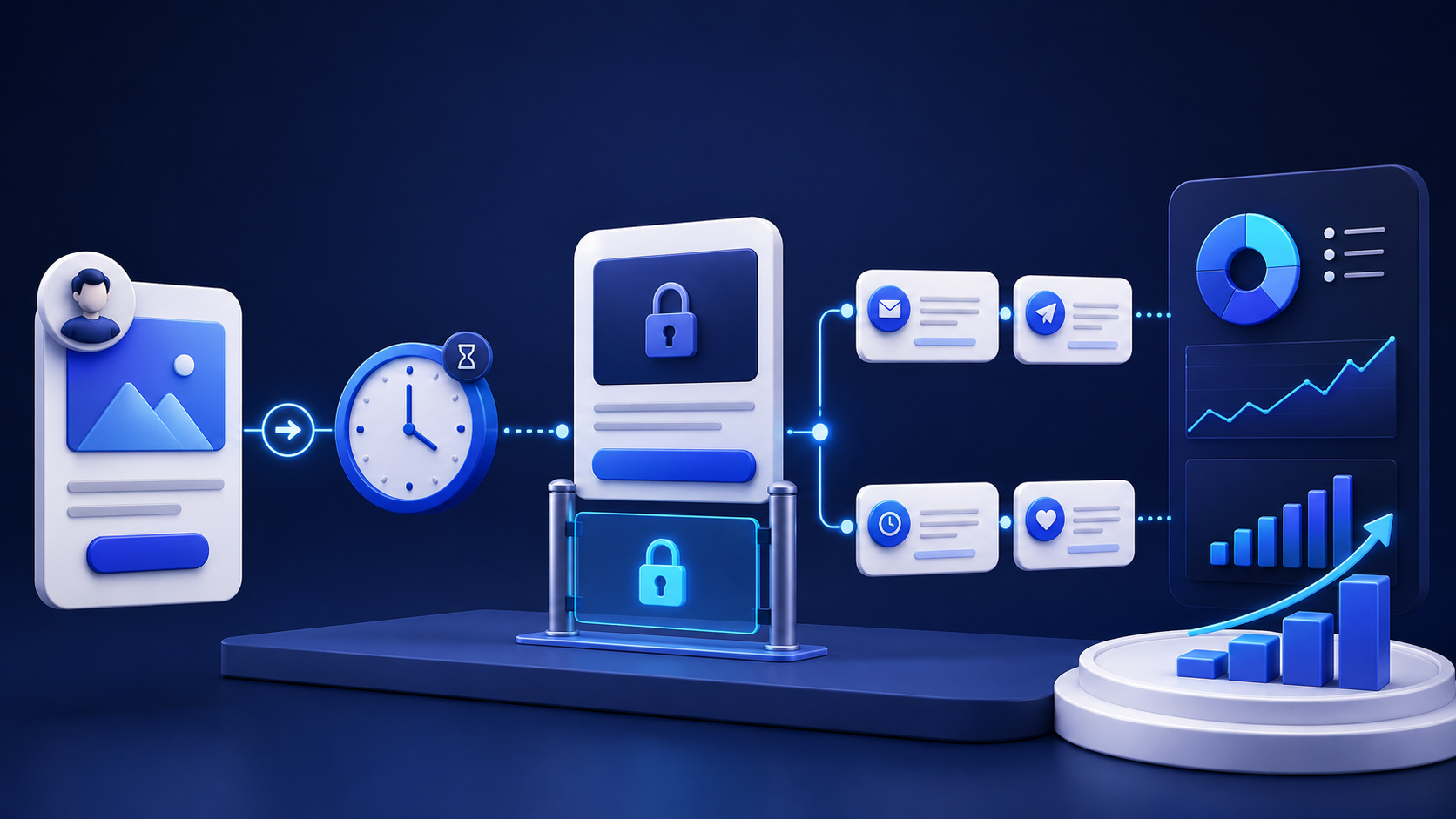
The best OnlyFans agencies treat PPV not as a broadcast feature but as a conversion funnel. Every PPV message is the product of knowing what a specific fan wants, sending it at the right moment, pricing it correctly, and having a follow-up plan ready if they don't open it immediately.
The Three Core PPV Strategies
There's no single way to run PPV, but most successful agencies operate with some combination of three approaches.
Mass PPV campaigns are sent to all subscribers or large segments at once. These work best for new content drops, promotional pricing, or seasonal moments. The advantage is reach — you can generate significant revenue from a single well-timed send. The limitation is personalization. A message that converts well for a long-term high spender often falls flat for a new subscriber who hasn't bought anything yet.
Targeted PPV by fan segment is where the real leverage lives. When you classify fans into Spenders, VIPs, Newbies, and Timewasters — which a proper OnlyFans CRM does automatically — you can send completely different PPV offers to each group. High spenders get premium-priced content and exclusive offers. New subscribers get lower-price entry-point content designed to create their first purchase habit. Timewasters get aggressive re-engagement offers or nothing at all. The same amount of effort generates dramatically different returns.
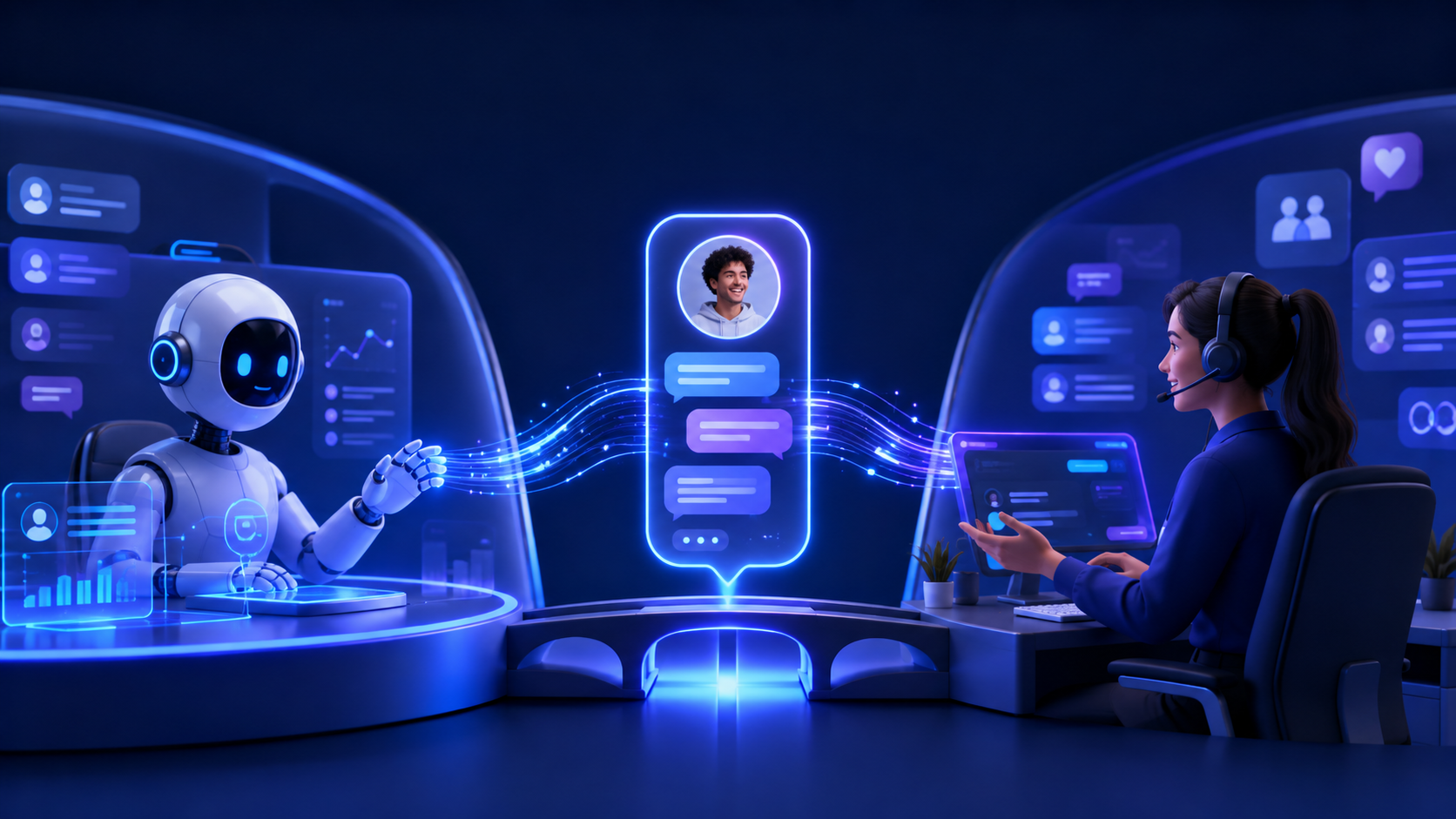
Conversational PPV is the most effective but the most labor-intensive approach. Instead of blasting a message with a locked attachment, a chatter — or an AI chatbot — builds a real conversation with a fan, creates genuine desire for a specific piece of content, and sends the PPV naturally in the flow of the exchange. Conversion rates on conversational PPV are significantly higher than on broadcast PPV because the fan has already expressed interest before they ever see the price.
The agencies making the most money in 2026 combine all three. Mass campaigns for reach, segmented sends for efficiency, and conversational PPV for their highest-value fans.
Pricing PPV Correctly
Most agencies underprice their PPV content, especially early in a creator's growth. The logic is understandable — lower prices mean more unlocks — but it's often wrong.
PPV pricing works on the psychology of perceived value. A $50 video signals quality and exclusivity in a way that a $5 video never can, even if the content is identical. Fans who have already spent $200 on an account don't hesitate at a $50 PPV the way a brand-new subscriber might. Pricing too low actually undermines the premium positioning that makes fans willing to spend more over time.
The most effective pricing framework most agencies use is anchoring by fan history. For a fan who has spent nothing yet, an entry-point PPV between $8 and $15 is designed to create the first purchase and establish a spending habit. For a fan who has spent $50, the standard range moves to $20 to $40. For a fan who has spent $200 or more, premium PPV at $50 to $150 isn't just appropriate — it's expected. A whale who has been spending heavily for three months will often pay more for content specifically curated for them than they would for generic mass content at half the price.
This is exactly why fan classification data matters so much. Without knowing what each fan has spent, you're guessing at pricing. With it, you're making decisions based on demonstrated behavior, and the difference in revenue is substantial.
The Follow-Up Is Where Most Agencies Lose
One of the most consistently underexploited elements of PPV strategy is the follow-up. A subscriber who received a PPV message and didn't open it isn't a lost sale — they're an untapped one.
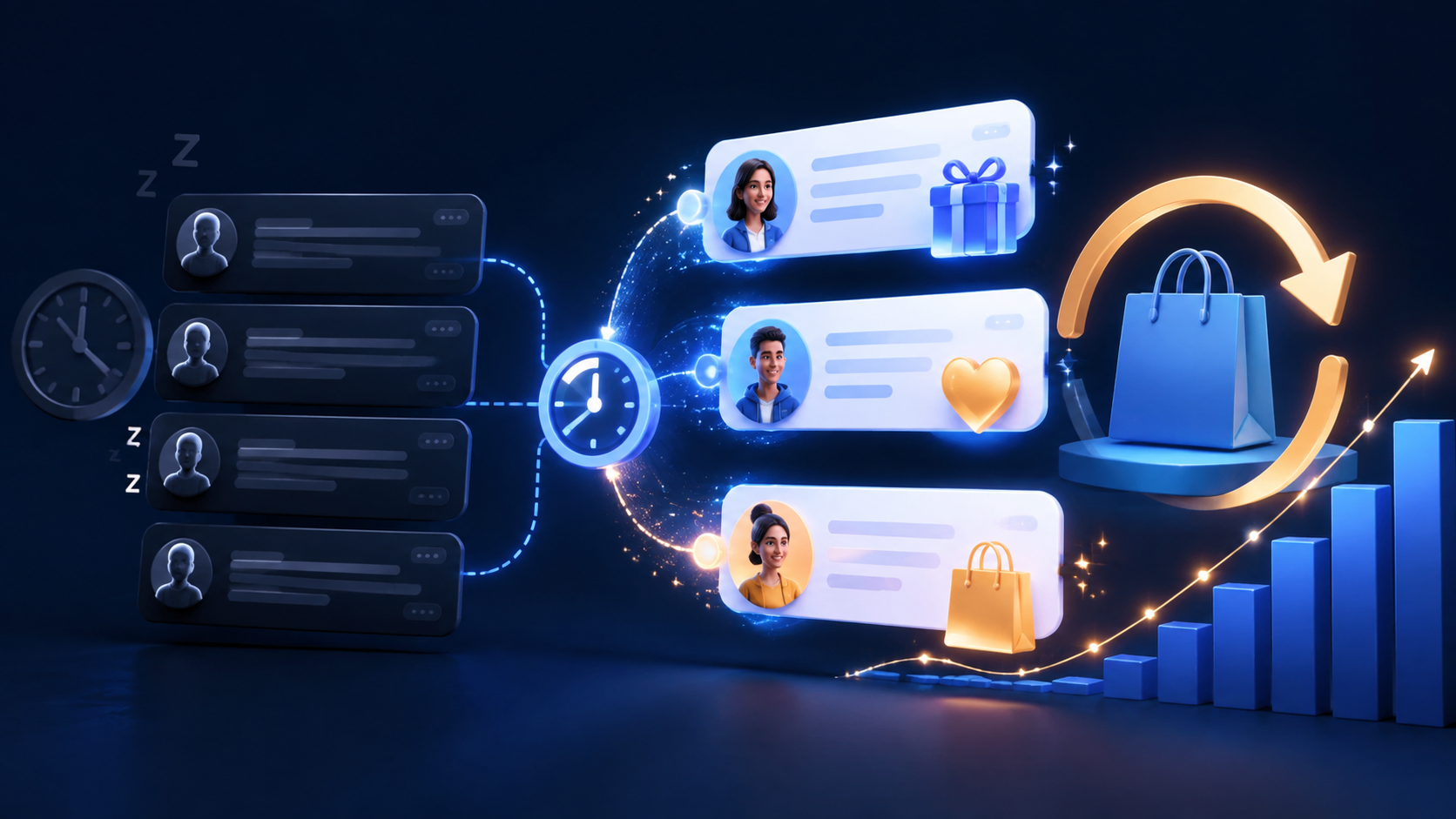
The data on PPV follow-ups is consistent across agencies. A second message sent 24 to 48 hours after an unopened PPV, with slightly different framing or a time-limited angle, converts a meaningful percentage of fans who ignored the first send. A third message, sent to fans who didn't open the first two, converts fewer, but still enough to be worthwhile on any significant subscriber base.
The challenge is doing this consistently across hundreds of conversations simultaneously. A human chatter manually tracking who opened what, when, and who needs a follow-up across multiple accounts is doing a job that should be automated. The agencies that have solved this problem are the ones using systems where OnlyFans automation handles follow-up sequences automatically, without anyone having to track open rates or schedule re-sends by hand.
PPV Timing — When to Send
The timing of a PPV message has a measurable impact on conversion rates. A message sent when a fan is actively on the platform performs better than the same message landing in an idle inbox.
Online fans convert better, and this is well established. Sending a PPV to a fan while they're currently active gives you a much shorter window between message delivery and purchase decision. Savvy agencies have their chatters or AI systems prioritize PPV sends to fans who are showing active status.
Peak hours vary by audience geography, but most OnlyFans audiences are most active in the evening hours of their local time zone. For a creator with an audience split between North America and Europe, this creates two distinct peak windows. Missing either means lower conversion on your sends.
Post-content drops are a reliable high-conversion moment. When a creator posts new content and fans engage with it by liking, commenting, or sending a DM, that engagement signal indicates real-time interest. Following up with a related PPV offer within minutes of that engagement is one of the highest-converting sequences agencies run consistently.
The problem with timing is that it requires constant attention. Someone has to notice when fans are active, when posts go live, when engagement happens, and act on those signals immediately. That's a fundamentally reactive job, and it's the reason AI chatbots that monitor activity continuously and respond to triggers in real time are increasingly handling PPV sends rather than humans. The breakdown of how top agencies have restructured their chat teams around this explains why this shift has become nearly universal at serious scale.
PPV Tracking — What to Measure
PPV strategy without tracking is guesswork. The agencies that consistently improve their results are the ones who measure the right things and make decisions based on data rather than intuition.
Unlock rate is the percentage of fans who received a PPV message and bought it. Revenue per send is total revenue divided by messages sent. Average PPV price tells you whether your pricing is moving in the right direction over time. Conversion rate by fan segment tells you whether your segmentation is actually working — are your high-spend fans converting at higher rates than new subscribers ? And follow-up lift tells you how much additional revenue your follow-up sequences are generating compared to a single send.
These numbers tell a clear story. If your unlock rate is high but average PPV price is low, you're underpricing. If your unlock rate is low but revenue per send is high, your pricing is right but your targeting needs work. If your follow-up lift is near zero, your follow-up timing or framing needs adjustment.
The agencies getting the best results look at these numbers weekly and adjust accordingly. This is why the CRM and analytics layer of the tech stack matters so much. Without clean performance data per account, per fan segment, and per send, none of this analysis is possible.
How AI Changes the PPV Game
The most significant shift in PPV strategy over the past year is operational rather than strategic. AI chatbots have made it possible to run conversational PPV at a scale that was previously only achievable with large chat teams working expensive overnight shifts.
A well-configured AI chatbot identifies from a fan's behavior and spending history exactly what kind of PPV content they're likely to buy. It starts a conversation, builds genuine desire for specific content, and delivers the PPV pitch at the right moment, all without any human involved. When the fan doesn't open it, the AI sends a follow-up at the right interval. When the fan buys, the AI continues the conversation to warm them up for the next purchase.
The hybrid model builds on this by layering human judgment on top of AI efficiency. AI handles all fans below a spend threshold, running PPV campaigns, follow-ups, and re-engagement sequences automatically. Once a fan becomes a genuine VIP, the CRM routes them to a human chatter who can execute the high-touch conversational PPV that drives the largest individual purchases. As covered in the guide to how chatters actually operate inside a professional agency, the value of human chatters in 2026 is almost entirely in their ability to close high-ticket PPV on VIP relationships, not in managing volume.
This isn't a future state. It's how the best-performing agencies are operating right now.
Building a PPV Vault That Converts
No PPV strategy works without content worth buying. The vault — the library of locked content available to send — is what makes everything else possible.
The best-performing PPV content shares a few characteristics. It has a clear hook visible in the preview, something that creates desire without revealing the full content. It's priced relative to what the fan has already spent and what they've engaged with before. And it's varied enough that fans don't feel like they're receiving the same offer on a loop.
Most professional agencies maintain a tiered vault with content at multiple price points, organized so chatters or the AI can select the right piece based on fan profile rather than sending whatever is most recent. A structured vault is one of the most underinvested parts of agency operations, and it's often the real differentiator between a creator whose PPV consistently converts and one whose content sits unlocked in inboxes.
For agencies managing Fanvue accounts alongside OnlyFans, the PPV mechanics work slightly differently. The complete guide to managing and automating chatting on Fanvue covers how PPV sequencing works on that platform specifically.
FAQ - OnlyFans PPV Strategy
What is a good PPV conversion rate on OnlyFans ?
A well-targeted PPV send to an engaged subscriber base typically converts between 5% and 20%, depending on pricing, content quality, and timing. Mass PPV to an unsegmented list usually sits at the lower end. Conversational PPV to fans with purchase history regularly exceeds 20%.
How often should agencies send PPV messages ?
Most successful agencies send PPV to their active subscriber base between two and four times per week. Sending too frequently burns out fans and increases unsubscribe rates. Sending too infrequently leaves revenue on the table. The key is varying content and price points so fans don't feel like they're receiving the same offer repeatedly.
Should you send PPV to all subscribers or only active ones ?
Segmentation consistently outperforms mass sends. At minimum, separate your high spenders from new subscribers and adjust pricing accordingly. Ideally, classify fans into full spending tiers and send completely different content to each group. A proper OnlyFans CRM makes this automatic rather than manual.
How do you track OnlyFans PPV performance ?
The key metrics are unlock rate, revenue per send, average PPV price, and conversion rate by fan segment. Most serious agencies track these weekly and adjust strategy based on the trends. Platforms like Substy provide per-send analytics that make this tracking automatic.
Can AI send PPV messages on OnlyFans ?
Yes. AI chatbots like Substy's can send PPV messages, handle follow-ups, and track opens automatically. The AI monitors fan activity, identifies the right timing, and executes the send without human involvement. For high-value fans, the hybrid model routes PPV conversations to human chatters once a fan has crossed a spending threshold.
What PPV price range works best ?
Entry-point content for new subscribers typically converts best between $8 and $20. Mid-tier content for established subscribers performs well at $25 to $50. Premium content for high spenders commands $50 to $200 or more. The right price depends on what a specific fan has already spent — pricing relative to fan history consistently outperforms fixed pricing across the board.
The Bottom Line
PPV strategy is the engine of OnlyFans revenue, and the gap between agencies that run it well and those that run it casually is enormous. The fundamentals — segmentation, timing, follow-up, tracking — have been understood for years. What's changed is the tooling available to execute them at scale without a massive chat team.
Agencies that combine a real segmentation framework with AI-powered automation, sending the right content to the right fans at the right time, following up automatically, and tracking every metric, are consistently outperforming those running PPV as a manual broadcast operation. The ceiling on what a well-run PPV strategy can generate from a fixed subscriber base is much higher than most agencies have ever tested.
If you're looking to implement this kind of structured PPV operation, Substy is built specifically for it — fan classification, AI chatting, PPV automation, and performance tracking in one platform. Most agencies see measurable PPV revenue increases within the first two weeks of setup.