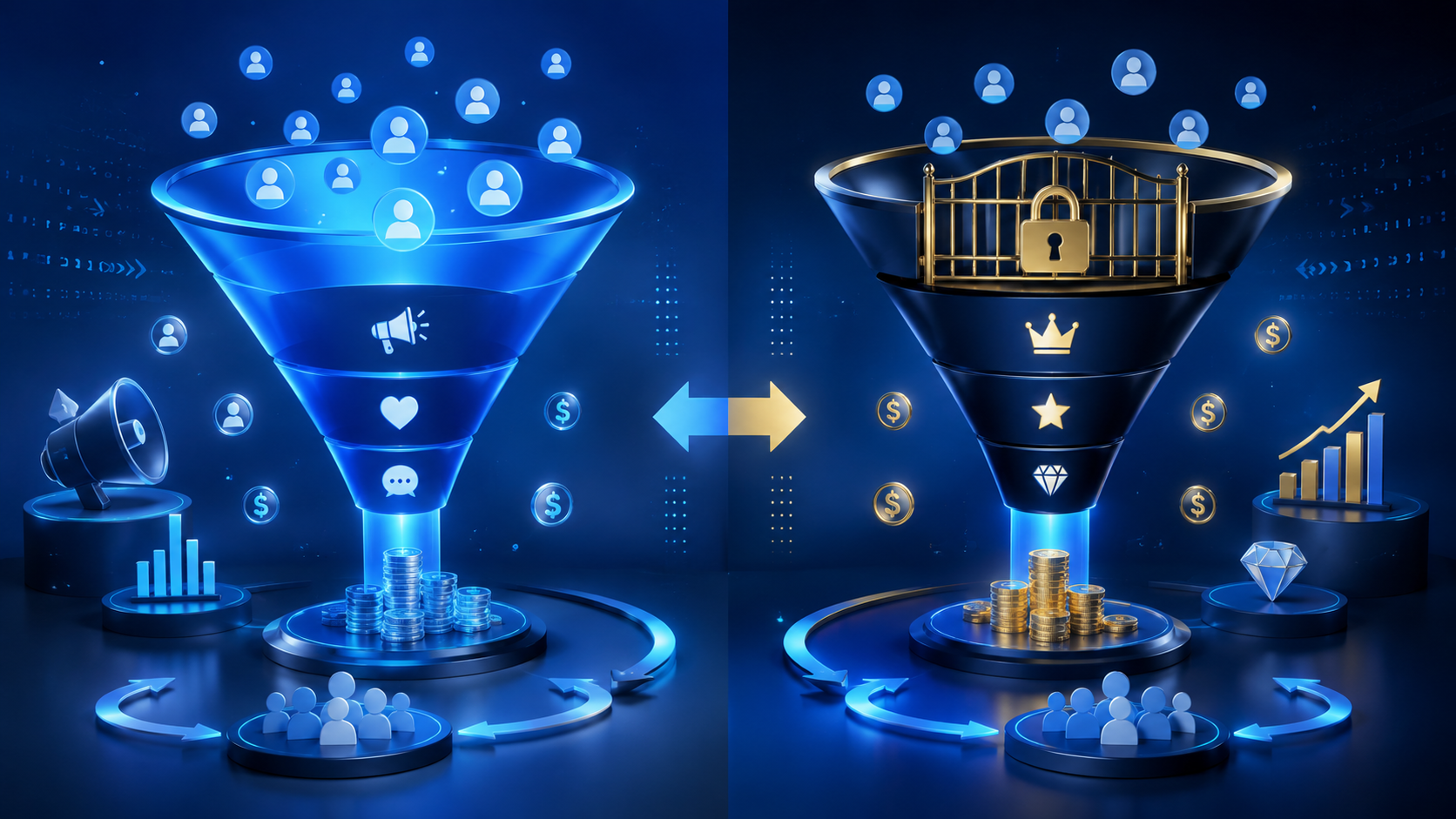
Fansly vs OnlyFans : Which Platform Is Better for Creators and Agencies in 2025 ?
Fansly and OnlyFans are the two leading subscription platforms for creators, but they don’t offer the same growth opportunities. This guide compares Fansly vs OnlyFans in 2025, covering audience size, discovery features, content rules, monetization, and agency scalability to help creators choose the right platform - or combine both strategically.
OnlyFans has dominated the creator economy for nearly a decade. But as competition intensifies and creators look for more flexibility, Fansly has quietly positioned itself as the strongest alternative.
If you’re a creator or an agency wondering where to focus your efforts in 2026 - or whether running both platforms makes sense - this guide breaks down Fansly vs OnlyFans from a real business perspective: traffic, monetization, content rules, discovery, and scalability.
This isn’t about hype. It’s about choosing the right platform for sustainable growth.
What Are OnlyFans and Fansly ?
At their core, OnlyFans and Fansly are subscription-based platforms that allow creators to sell exclusive content directly to fans through monthly subscriptions, pay-per-view messages, tips, and private interactions.
OnlyFans launched in 2016 and became mainstream during the pandemic, quickly turning into the default platform for adult creators. Fansly launched later, in 2020, largely as a response to uncertainty around OnlyFans’ long-term stance on adult content.
While the two platforms look similar on the surface, their philosophy and growth mechanics differ in important ways, especially when it comes to automation, analytics, and creator support - topics already covered in depth in this guide on OnlyFans automation for creators and agencies.
Audience Size and Traffic: Reach vs Opportunity
OnlyFans is still the undisputed leader in raw numbers. It has far more users, higher global traffic, and stronger brand recognition. For established creators with strong external traffic, this scale can be a major advantage.
Fansly, however, is significantly less saturated. Fewer creators means less competition per niche, which often translates into better visibility for newer or mid-level accounts.
This difference matters a lot if you’re early-stage or trying to scale without being buried under thousands of competitors - especially when following structured growth paths like those outlined in how to start an OnlyFans the right way.
Discovery and Internal Traffic
One of the most important differences between Fansly and OnlyFans is how fans discover creators.
OnlyFans relies almost entirely on external traffic. There is no real discovery feed, which means creators must actively promote themselves on other platforms. This is why promotion strategies like Reddit remain essential, as explained in how to promote OnlyFans on Reddit effectively.
Fansly, on the other hand, includes built-in discovery tools. Fans can browse creators directly on the platform, filter by interests, and discover new profiles organically.
For creators who don’t yet have massive social followings, this internal visibility can be a real advantage.
Content Rules and Creative Freedom
Both platforms support adult content, but their positioning is different.
OnlyFans has historically tried to balance adult content with a more “mainstream” brand image. While explicit content is allowed, creators have seen periodic policy changes and enforcement inconsistencies.
Fansly is far more explicit-friendly by design. It was built with adult creators in mind and offers more flexibility around content formats, including stronger support for niche and fetish content.
This is also why Fansly is often considered a safer environment for creators experimenting with AI-assisted or virtual content, as detailed in what’s legal with AI models on Fanvue and similar platforms.
Monetization and Payouts
In terms of monetization, both platforms offer similar tools :
- Monthly subscriptions
- Pay-per-view messages
- Tips
- Custom content
OnlyFans takes a 20% commission and processes payouts with a delay of several days.
Fansly typically offers faster withdrawals and a more creator-friendly payout experience, which can be a major advantage for agencies managing cash flow across multiple models.
From a pure revenue perspective, what you sell matters more than where you sell it. Understanding what sells best on OnlyFans - and adapting those formats to Fansly - often has a bigger impact than switching platforms.
Fansly vs OnlyFans for Agencies
For agencies, the question is rarely “Fansly or OnlyFans?”.
The real question is how to operate efficiently across both.
- OnlyFans offers scale and proven demand
- Fansly offers lower saturation and internal discovery
Running both platforms allows agencies to diversify revenue, test niches faster, and reduce dependency on a single ecosystem - especially when aiming for higher income targets like those described in real strategies to make $10k a month on OnlyFans.
The challenge isn’t platform choice. It’s chatting volume, fan management, and operational complexity as accounts grow.
Should You Choose Fansly, OnlyFans, or Both ?
Fansly is a strong choice if :
- You’re a newer creator avoiding oversaturated markets
- You rely less on external traffic
- You want more explicit content freedom
OnlyFans is ideal if :
- You already have traffic and brand recognition
- You want access to the largest possible audience
- You plan to scale aggressively with strong promotion
For many creators and agencies, the smartest move in 2025 is not choosing - but combining both platforms strategically, especially when supported by centralized chatting and CRM workflows.
Final Thoughts
Fansly vs OnlyFans isn’t about which platform is “better” in absolute terms. It’s about where your brand, traffic, and workflow fit best.
OnlyFans still dominates in scale. Fansly wins on flexibility and discovery. Creators who understand both - and manage them intelligently - are the ones building sustainable, long-term businesses.
In the end, success doesn’t come from the platform alone. It comes from how you manage fans, conversations, content, and data across platforms - and how efficiently you turn attention into revenue.